Robotic Surgery, Neoadjuvant Therapy and Innovative Procedures Break the Stigma of Rectal Cancer Stoma

In rectal cancer treatment, saving lives and preserving the anus has long been a cruel dilemma. For patients with low‑rectal cancer, permanent stoma often threatens dignity and quality of life. Today, advances in precision evaluation, MDT, minimally invasive innovation and personalized care are turning sparing the stoma and preserving function into reality.
Through four cases at Sir Run Run Shaw Hospital, Zhejiang University, we witness how multidisciplinary techniques overcome the “stoma dilemma.”
Neoadjuvant Therapy + Cai’s Stent: Turning the Impossible into Reality
Mr. Wang, 72, was diagnosed with T4 rectal cancer with positive circumferential resection margin (CRM), indicating high risk of residual cancer and mandatory stoma with conventional surgery.
Led by Chief Physician Wang Da, the team designed a personalized strategy:
Short‑course radiotherapy + chemotherapy + immunotherapy to downstage the tumor.
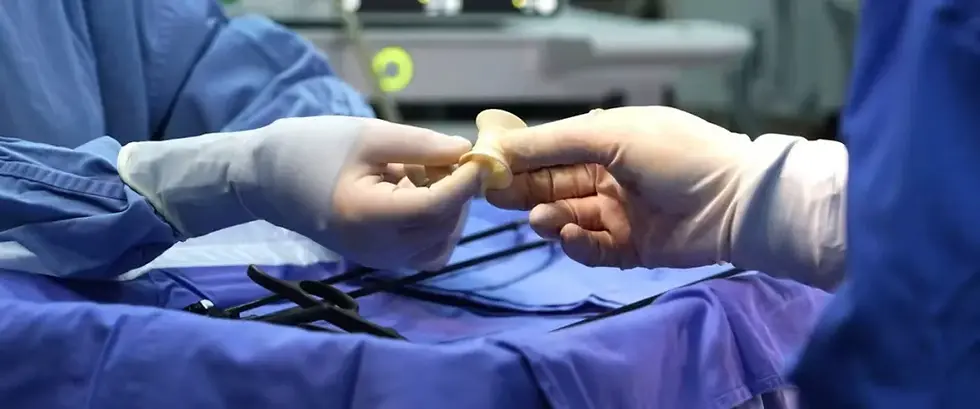
Robot‑assisted radical resection with Cai’s degradable intestinal diversion stent for primary anastomosis.
Cai’s Stent, invented by Prof. Cai Xiujun (Academician of CAS, President of Sir Run Run Shaw Hospital), is a degradable intestinal diversion stent that replaces the 170‑year‑old ileostomy. It avoids 3–6 months of temporary stoma and second‑stage reversal surgery. It has been used in nearly 1,000 patients nationwide. It also enables efficient, stable minimally invasive anastomosis, overcoming limitations of traditional suturing and stapling.
After surgery, Mr. Wang avoided stoma and recovered smoothly. Pathology confirmed complete tumor regression. Cai’s Stent acts as a “safety lock” for ultra‑low anastomosis, greatly reducing anastomotic leakage risk.
Transanal Pull‑Through Procedure: Breaking Anatomical Barriers
Mr. Chen, 28, had a T2 tumor 2 cm from the anal verge at the dentate line. Traditional surgery required permanent abdominal stoma.
After MDT evaluation, two options were offered:
Chemoradiotherapy + immunotherapy for potential complete response
Direct ultra‑low sphincter‑preserving surgery
The patient chose surgery. The team performed laparoscopic transanal pull‑through radical resection (Parks procedure): the tumor was delivered and resected transanally, followed by coloanal anastomosis.
He successfully avoided permanent stoma and recovered bowel function over time.
“This innovative reverse operation breaks anatomical limits and defends the patient’s last line of dignity,” said Deputy Chief Physician Xu Dengyong.
Robotic Anus‑Preserving Surgery: Technology Safeguards Dignity
Ms. Zhang, 40, had a T3N0 tumor 5 cm from the anus.
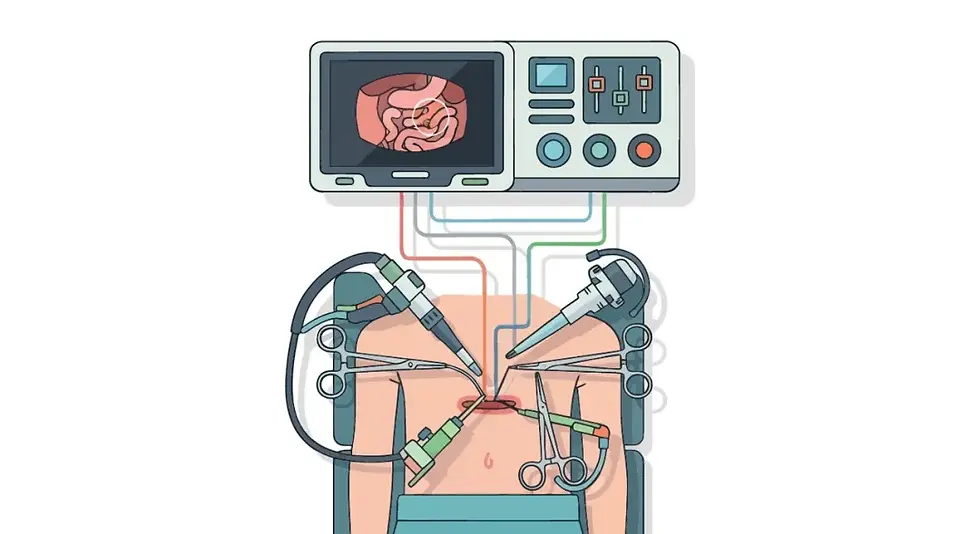
Chief Physician Wang Da’s team performed da Vinci robotic‑assisted rectal cancer resection. The 3D magnified view and flexible robotic arms enabled precise dissection, nerve and sphincter preservation, and reinforced anastomosis.
She recovered well within one week and returned to normal life.
Robotic surgery excels in narrow pelvic spaces, protecting nerves and sphincters to achieve precision resection + function preservation.
Hartmann Procedure: Safe Choice for Elderly Patients
Mrs Li, 80, had a tumor 3 cm from the anus. Though sphincter preservation was possible after radiotherapy, she and her family chose Hartmann’s operation (rectal tumor resection + distal closure + proximal end colostomy).
“At my age, safety and rapid recovery matter more than anus preservation,” she said.
Deputy Chief Physician Xu Dengyong noted:
Hartmann’s procedure is less invasive with lower complication risks. While it requires a stoma, it avoids anastomotic leakage and frequent defecation. The compassion of medicine lies in respecting patient choices.
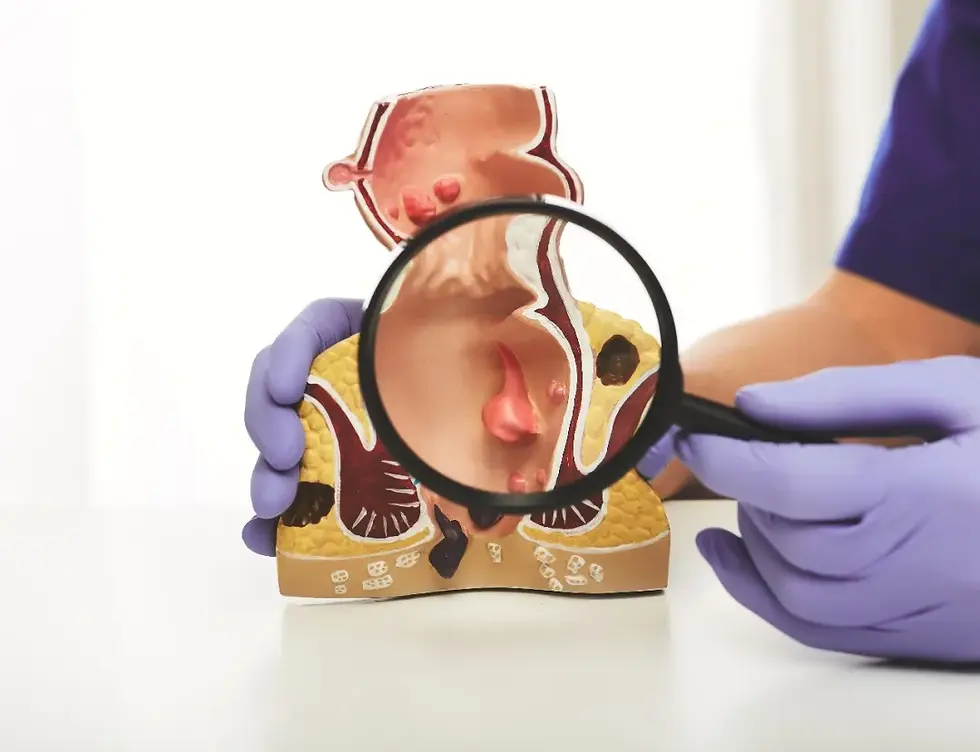
Rectal Cancer Treatment Enters a New Era
Rectal cancer care is now defined by precision, individualization and function priority:
Precision evaluation: MRI and CT for accurate tumor mapping
MDT collaboration: colorectal surgery, radiotherapy, oncology, radiology
Technical innovation: robotic surgery, neoadjuvant therapy, Cai’s Stent, Parks procedure
Patient‑centered: tailored to age, function needs and economic status
Treatment is no longer only about curing cancer—it is about preserving dignity. Medicine aims not only to heal disease but also to protect a complete, dignified life.


Comments