How Beijing Jingdu Children's Hospital Saved an 8-Year-Old Girl's Vision: Corneal Perforation Emergency Case Study
Updated: 2 days ago
An 8-year-old girl arrived at Beijing Jingdu Children's Hospital with corneal perforation and vision loss. Director Liang Tianwei performed emergency eye surgery, repairing the cornea and restoring her sight.
An 8-year-old girl from out of town arrived at Beijing Jingdu Children's Hospital with severe eye pain and vision loss. Her condition was critical — the cornea had perforated, and her vision was at immediate risk. This is the detailed timeline of how Director Liang Tianwei's team acted swiftly and successfully saved her eyesight.
Patient Background: A Serious Eye Condition in an 8-Year-Old
The patient was an 8-year-old female child who had been experiencing persistent eye discomfort and reduced vision in her right eye. Her family had initially sought treatment at a local clinic, but her condition rapidly worsened, prompting an emergency transfer to Beijing Jingdu Children's Hospital.
Upon initial examination at the emergency department, the medical team immediately recognized the severity of the situation. The child's cornea had perforated — a surgical emergency that does not allow for any delay.
Diagnosis: Corneal Perforation and Hypotony
Director Liang Tianwei, a senior ophthalmologist at Beijing Jingdu Children's Hospital, personally conducted a comprehensive eye examination. The diagnosis was clear and urgent:
Corneal perforation: A full-thickness break in the cornea, allowing fluid to leak out
Hypotony (low eye pressure): The internal pressure of the eye had dropped to dangerous levels
Risk of permanent vision loss: Without immediate surgical intervention, the child faced irreversible blindness
The eye was in a state of acute crisis. Any further delay would result in permanent structural damage to the eyeball. Director Liang decided to proceed with emergency surgery without hesitation.
Emergency Surgery: Corneal Repair and Anterior Chamber Reconstruction
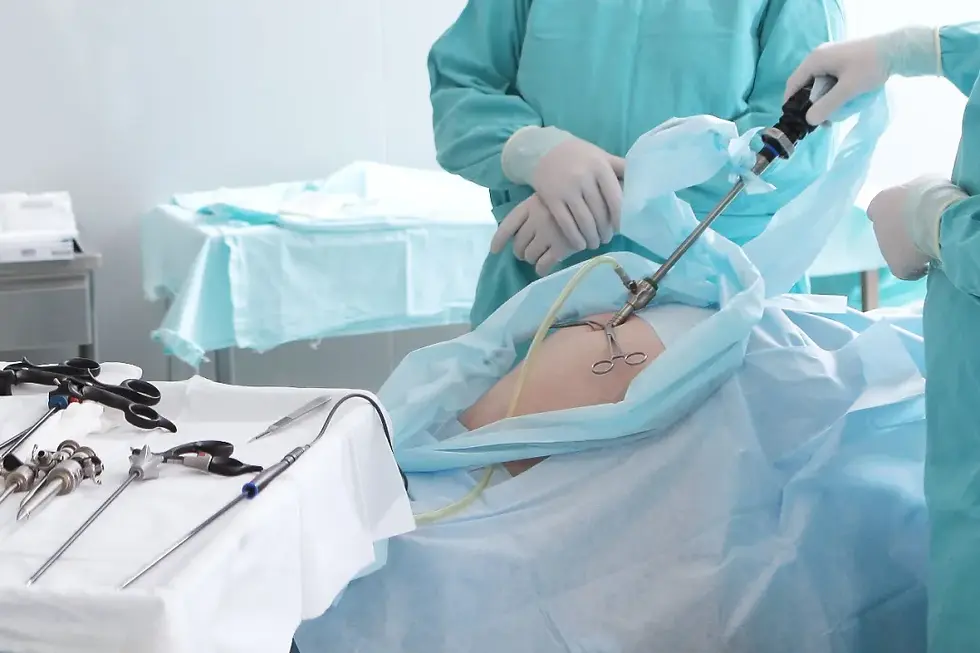
On the afternoon of admission, Director Liang's team performed a complex ophthalmic microsurgical procedure. The surgical plan included:
Corneal suturing to close the perforation and restore the eye's structural integrity
Anterior chamber reconstruction to re-establish proper intraocular pressure
Careful wound management to minimize the risk of infection and scarring
The procedure was performed under general anesthesia and lasted several hours. Director Liang's precision and the team's coordinated effort during the surgery were critical to its success.

Postoperative Recovery: From Crisis to Clarity
Within 24 hours of the surgery, the child's eye pressure had stabilized. The cornea began to heal, and the risk of infection was effectively managed with targeted antibiotic therapy.
Over the following week, the child's vision showed steady improvement. The family expressed profound gratitude to Director Liang and his team. A silk banner (锦旗) was presented to the hospital, bearing the words:
"Benevolent Healer, Skilled Hands, Saving Sight" — a traditional Chinese expression of deep medical gratitude.
The child was discharged with a personalized follow-up plan to monitor corneal healing and ensure long-term visual rehabilitation.
Why This Case Matters: Lessons for Parents and Caregivers
This case highlights several important points for parents and anyone responsible for a child's health:
Corneal perforation in children can progress rapidly. What may begin as a minor eye irritation can escalate into a vision-threatening emergency within days or even hours.
Prompt specialist evaluation is critical. General clinics may not have the equipment or expertise to diagnose corneal perforation. An urgent referral to a pediatric ophthalmologist is essential.
Delay increases the risk of permanent damage. Every hour counts in preserving the child's vision and the structural integrity of the eye.
About Beijing Jingdu Children's Hospital Department of Ophthalmology
The Department of Ophthalmology at Beijing Jingdu Children's Hospital is a specialized center for pediatric eye diseases. Under the leadership of Director Liang Tianwei, the department provides:
Emergency ophthalmic surgery for corneal trauma, perforation, and acute eye conditions
Diagnosis and management of pediatric cataracts, glaucoma, and retinal diseases
Strabismus and amblyopia treatment, including surgical correction
Routine eye examinations, vision screening, and preventive care
The hospital is equipped with state-of-the-art microsurgical instruments and diagnostic imaging systems, enabling precise diagnosis and treatment of complex pediatric eye conditions.

FAQ: People Also Ask
What is corneal perforation in children?
Corneal perforation is a full-thickness defect in the cornea — the clear front surface of the eye. It allows the inner fluids of the eye to leak out, resulting in low eye pressure (hypotony) and a high risk of infection and permanent vision loss. In children, it is most commonly caused by trauma, severe infection (bacterial keratitis), or congenital corneal disorders.
How is corneal perforation treated surgically?
Emergency surgical repair is required. The procedure typically involves corneal suturing (stitching) to close the wound, anterior chamber reconstruction to restore eye pressure, and intensive antibiotic therapy to prevent endophthalmitis (inner eye infection). In some cases, a corneal transplant (keratoplasty) may be needed later for visual rehabilitation.
Can a child recover full vision after corneal perforation?
Recovery depends on the size and location of the perforation, the time delay before treatment, and whether infection has spread inside the eye. With prompt surgical repair (within 24–48 hours), many children regain useful vision. However, some degree of astigmatism or corneal scarring may remain, requiring glasses or contact lenses.
Why choose Beijing Jingdu Children's Hospital for pediatric eye emergencies?
Beijing Jingdu Children's Hospital specializes in pediatric care, with a dedicated ophthalmology department equipped for emergency eye surgery. Director Liang Tianwei has extensive experience in pediatric corneal surgery. The hospital provides 24/7 emergency ophthalmic services, ensuring that children receive timely surgical intervention when every hour counts.
Key Takeaways for International Families in Beijing
For expatriate and international families living in or traveling to Beijing, having access to reliable pediatric emergency care is essential. Beijing Jingdu Children's Hospital offers:
English-speaking staff and international patient services
A dedicated emergency department open 24/7 for eye trauma and acute vision loss
A track record of successful surgical outcomes in complex pediatric eye cases
If your child experiences sudden eye pain, redness, light sensitivity, or vision loss — do not wait. Seek emergency ophthalmic evaluation immediately.
Contact Information
Beijing Jingdu Children's Hospital — Department of Ophthalmology
Director: Liang Tianwei (梁天蔚)
Emergency Services: 24/7
Specialization: Pediatric corneal diseases, eye trauma, strabismus, amblyopia, cataract, glaucoma
For international patient inquiries, please contact the hospital's international services department.
Disclaimer: This article is for educational purposes only and does not constitute medical advice. For any eye condition, please consult a qualified ophthalmologist immediately.
Planning treatment in China?
MedTourChina helps international patients reach hospitals such as leading Chinese hospitals. Send your medical reports and our coordinators will compare specialists, treatment timelines and costs for you — at no charge.

Comments